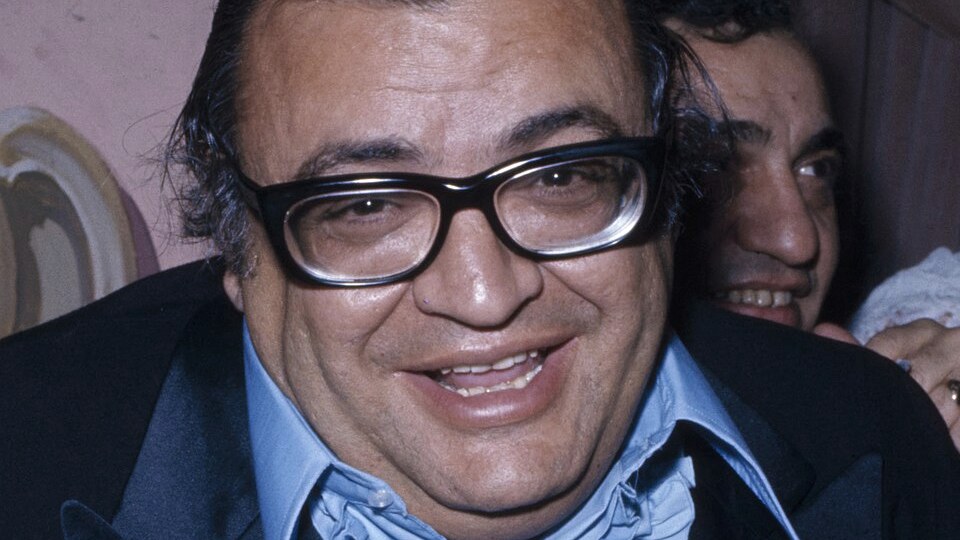

Stephen King
Why it worked: A sharp premise, intense emotional stakes, and a visually unforgettable central character made the story easy to imagine on screen.
Many successful screen projects began as books from authors across genres, backgrounds, and career stages.
For authors exploring adaptation potential, these examples offer inspiration and practical perspective: strong source material can begin in a quiet manuscript, a published novel, a breakthrough genre title, or a story readers simply cannot stop talking about.
Film and television producers are constantly looking for compelling source material. Adaptation success is not limited to one lane: novels, thrillers, romance titles, mysteries, horror books, fantasy worlds, and character-driven fiction have all found powerful screen lives. The point is not to imitate these examples, but to study what made them adaptable and think more strategically about your own book.
These examples are concise snapshots, not promises or formulas. They show how memorable premises, strong characters, and clear conflict can help books become screen-ready source material.
Why it worked: A sharp premise, intense emotional stakes, and a visually unforgettable central character made the story easy to imagine on screen.
Why it worked: The story paired an accessible romantic premise with enduring emotional stakes and a clear audience connection.
Why it worked: A twist-driven structure, complex characters, and a strong cultural hook created a thriller that invited conversation.
Why it worked: The books offered a vivid world, a clear protagonist journey, recurring conflicts, and strong visual mythology.
Why it worked: A character-driven story with humor, romance, grief, and a clear emotional promise gave the adaptation a defined audience.
Why it worked: The story used an unreliable perspective, a strong mystery engine, and a central question that kept audiences engaged.
Why it worked: A simple but massive premise, built-in visual spectacle, and survival-driven conflict made the story immediately cinematic.
Why it worked: The story fused crime, family loyalty, power, and moral conflict into an expansive but character-centered world.
Why it worked: A tense investigative structure, iconic character dynamics, and controlled suspense created a powerful screen framework.
Why it worked: The book offered layered characters, moral complexity, a strong setting, and emotional consequences beyond the central crime.
Studying successful adaptations is useful. The next step is understanding how your own book reads through a screen-development lens.
Start With a Screen Potential ReviewAdaptation opportunities often emerge from books with a clear premise, central conflict, memorable characters, cinematic world-building, emotional stakes, and visual or episodic storytelling potential.
Built-in tension, reveals, and urgency can create strong audience momentum.
Clear emotional stakes and audience investment can translate beautifully to screen.
Investigations, secrets, power, and moral pressure give crime stories durable structure.
A compelling question can keep viewers engaged across a film or episodic format.
Fear, atmosphere, and strong visual concepts can make horror highly adaptable.
Voice, identity, friendship, and first love can create clear audience connection.
Character pressure, family conflict, and emotional consequence can anchor prestige storytelling.
Distinct worlds and mythology can support visual storytelling when the character journey is strong.
Period settings can offer scale, atmosphere, and built-in cultural stakes.
Stories of resilience, belief, and transformation can connect through clear emotional purpose.
Most book-to-screen paths do not begin with a deal. They begin with consistent writing, a story worth reading, and a stronger way to communicate adaptation potential.
Authors build craft by returning to the page and developing a story with discipline.
A strong premise helps readers and screen professionals quickly understand the promise.
Reader response can reveal which characters, worlds, and conflicts are resonating.
Synopsis, review, treatment, and script materials help translate the book into screen language.
A screen-friendly package makes the project easier to evaluate and discuss.
The lesson is not that every book will become a film or series. The lesson is that screen potential becomes easier to recognize when the story is evaluated and presented with strategy.
Familiar categories can work when the premise, voice, and stakes feel distinct.
A clear central question or promise helps decision-makers understand the opportunity faster.
Visual worlds matter, but audiences follow people under pressure.
Screen-focused materials can make a book easier to assess beyond its back-cover description.
A review, treatment, teaser, or screenplay can clarify how the book might work on screen.
Book to Screen Studios helps authors evaluate, develop, and present adaptation-ready materials with a professional path from manuscript to screen consideration.