
Interviews
Structured conversations about adaptation thinking and professional readiness.
Conversations, perspectives, and editorial features focused on the realities of moving stories from publishing into screen-facing development.
This page highlights the ideas, workflows, and adaptation thinking that shape stronger publishing-to-screen conversations.
A professional spotlight on how a project changes once the conversation moves from general story enthusiasm into format, structure, visual language, and treatment-level development.
Filters help representatives move quickly between creative, rights, development, and readiness perspectives.

Gerwig discusses returning to Louisa May Alcott's novel as an adult and shaping a familiar literary work around ambition, authorship, and modern emotional stakes.

This interview focuses on how character interpretation changes over time, especially around Jo, Amy, agency, economics, and why classic material keeps yielding new screen angles.
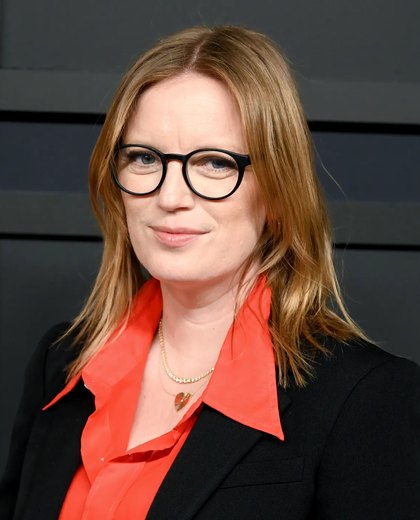
Polley reflects on adapting Miriam Toews's novel with care, including the responsibility of process, safety, and collaboration when difficult source material moves to screen.

Polley explains how the ensemble, production design, narration choices, and collaborative working style helped translate a conversation-driven novel into cinema.
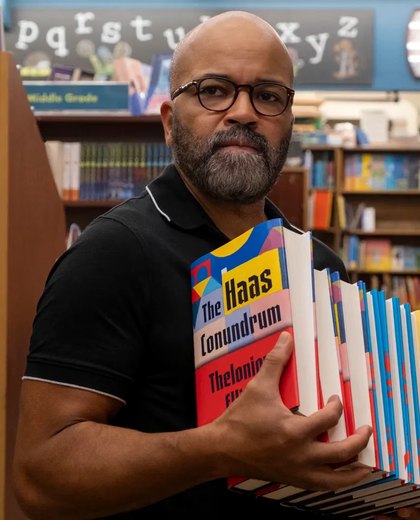
The feature looks at how Erasure became American Fiction, emphasizing tone, satire, publishing culture, and the challenge of adapting a literary argument for film audiences.
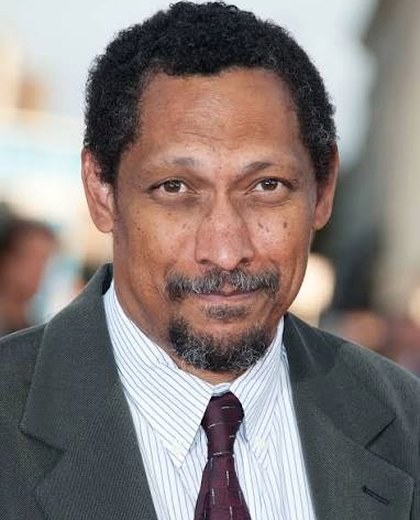
Jefferson's comments around the film highlight how adaptation can sharpen a source novel's cultural critique while still giving audiences a human, character-led story.

The creators discuss choosing what to preserve, change, expand, or omit when moving an interactive story into a serialized television structure.

Justin Marks and Rachel Kondo's adaptation of James Clavell's novel is framed around authenticity, language, power dynamics, and a more contemporary way into epic source material.

The screenwriter explains how a classic thriller premise was reshaped for a modern series while preserving the pressure, pursuit, and intellectual appeal of the source.
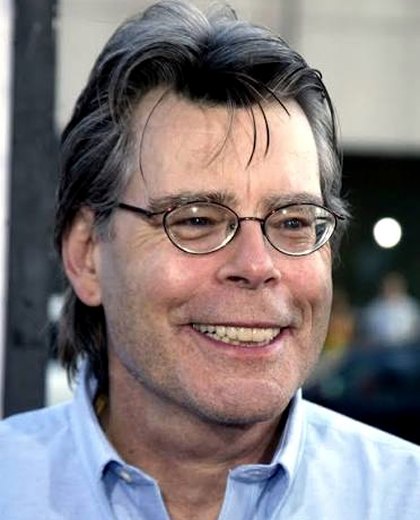
The adaptation coverage centers on honoring the emotional core of King's novel while making practical changes for an eight-episode screen version.
Structured conversations about adaptation thinking and professional readiness.
Focused editorial features on rights, format, materials, and submission standards.
Generalized examples that study how screen positioning works without fabricated claims.
Clear explanations of what makes a project easier to review and develop.
Spotlights are designed to make the adaptation conversation clearer and more credible. Book to Screen does not invent affiliations, promise outcomes, or imply open submission access. The emphasis is professional process, readiness, and stronger materials.
Move between insights, programming, and spotlight features to understand how eligible projects become more professionally prepared.